Description
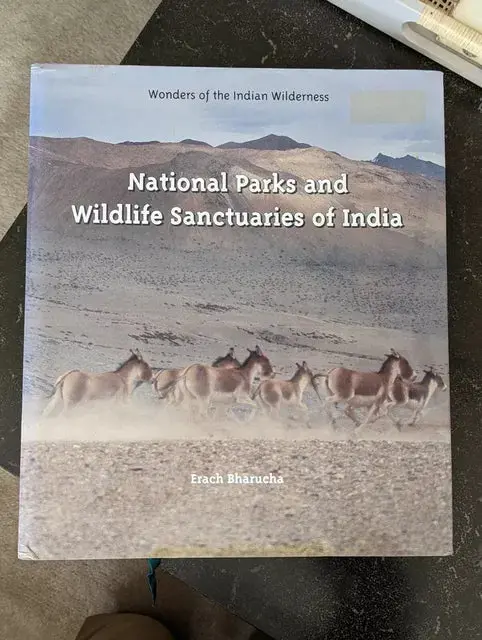
National Parks in India are discussed here along with the Wildlife Sanctuaries. In India, the total area of national parks is only 0.5% of the total landmass, but it is home to a wide variety of flora and fauna. Many species are endemic to this region and can be seen nowhere else in the world. The basic objective for aiming to create national parks is conservation of biodiversity and also for tourism promotion and economic development. India has a rich history of wildlife protection. The Wildlife Protection Act, 1972 includes all wild animals, plants, birds and reptiles within its ambit with minimum penalties for offences against them (i.e.- Rs 50 even if harmful or dangerous wildlife species are killed).
What are National Parks?
National Parks, which are also known as ‘Reserves’ or ‘Reserve Forests’, were first established in the country in 1885. These are protected areas, where the private ownership of forest lands has been prohibited. In some cases, they were established with commercial objectives and exploiting resources. However, these were later converted into national parks with a wider objective of preserving wildlife and wildlife habitats.
What are Wildlife Sanctuaries?
A sanctuary is another kind of protected area. Though both are managed by the same authority (Ministry of Environment & Forests), there is a legal distinction between a wildlife sanctuary and national park. Wildlife sanctuaries are managed for habitat protection and conservation of wildlife breeding and resting, whereas a national park is managed for providing opportunities for recreation, education, etc.
Explore more from our collection.



Reviews
There are no reviews yet.