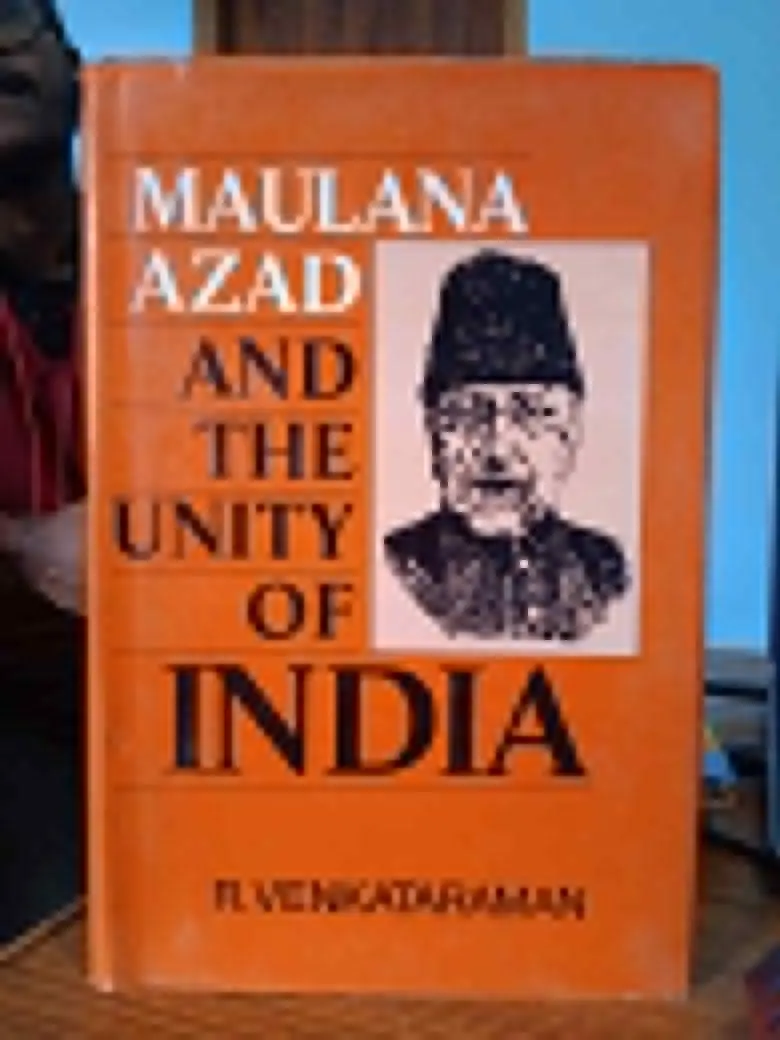
Description
This article sheds light on Maulana Abul Kalam Azad’s ideas of inclusive theology. It is
also aimed to describe its significance as education for religious pluralism in India in
particular. Azad’s inclusive theology can be judged from his understanding of the concept
of God, religion, and unity of religion. This study mainly uses hermeneutical and
philosophical-theological approaches because inclusivism can be dealt with in philosophy,
especially the philosophy of religion. The findings include God as the “cherisher” and
“flourisher” (Rabb) transcends all fragmentations and divisions of humanity in race, color,
and religion. The path of universal God (Rabb al‘alāmīn) is “the right path” (sirāt al-
mustaqīm) which belongs to no particular religion. For Azad, all religions in origin
contain the truth and are pervaded with the same spirit the existence and variations in
religions do not affect the essentials of religion. The outward path (shari’a, minhāj) may
vary according to the circumstances. The difference between one religion and another are
not differences in dīn, the basic provision, but in the manner of giving effect to it. This one
will be focusing much on the religious justification of maulana Azad’s idea of India along
with his inclusive nationalist ideas according to the above-given framework of the analysis
of his phenomenal religious works.
Explore more from our collection.



Reviews
There are no reviews yet.